Legal & Process
Things to Check Before Renting a Retail Shop in Dubai: A 15-Point Checklist for Business Owners
By Dhananjay Arora · CEO & Founder, Al Ranim Properties
Published 30 June 2026 · 17 min read
Renting a retail shop in Dubai is about far more than location and rent. Use this 15-point checklist to verify activity approval, Ejari, VAT, DEWA load, fit-out permits and hidden costs before you sign.
Renting a retail shop in Dubai is more than location and rent.
There are many issues associated with retail units that can cause problems for a business: activity approval, trade licence, fit-out, Civil Defence, Dubai Municipality food approvals, Trakhees, DEWA load, signage and various other costs that might not be clear at the time of renting the shop.
A shop may look great in pictures and during viewings, but that does not indicate the suitability of the shop for your particular business.
A cafe, restaurant, shisha cafe, mini-mart, salon, clinic, pharmacy, laundry, showroom, boutique and supermarket all have different requirements for approvals. A restaurant will require a food layout plan, whereas a salon may require drainage or a permit for high water usage. A clinic may require a Civil Defence and a DEWA load approval before operations can start.
Before paying a deposit or signing the tenancy contract, tenants should check three things:
- Can the business activity be approved in this unit?
- Can the unit technically support the business?
- Does the lease protect the tenant after fit-out money is spent?
Here is a checklist of the most important points to consider before renting a retail shop in Dubai for your business.
This shop rental guide is for commercial retail units only. For information regarding renting a home in Dubai, visit our guide on how to rent property in Dubai.
Quick Checklist Before Renting a Retail Shop
Before signing, check:
- Whether your business activity is allowed in that unit
- Whether the location is mainland, free zone, mall, community retail or developer-controlled
- Whether Ejari can be registered
- Whether the landlord or representative has authority to lease
- Whether the broker and listing are genuine
- Whether VAT applies and who you pay it to
- Whether the rent, deposit and payment terms are clear
- Whether a fit-out period is included
- Which authority approvals are required
- Whether Civil Defence, Dubai Municipality, Trakhees, DDA, DMCC or Concordia approvals apply
- Whether DEWA load is enough for your activity
- Whether AC, water, drainage, gas and exhaust are suitable
- Whether parking, loading and waste disposal work for your business
- Whether signage and outdoor seating are allowed
- Whether renewal, exit and rent increase terms are fair
1. Check Whether Your Business Activity Is Allowed
This is the first point and the most important.
Many people think that because a shop is for retail business, it can take in any type of activity. This is incorrect.
A shop that might be perfect for a boutique business might not work for a restaurant. A shop that takes in phone accessories might not be the best for a shisha cafe. A shop for a cafe might not be the best spot for a business that cooks heavy meals. A shop for a salon might not work for a clinic or pharmacy.
Before renting a shop and before paying the booking deposit, make sure that the activity of your business can be licensed at the location you wish to rent.
Ask:
- Is this unit suitable for my exact activity?
- Can this activity be added to my trade licence?
- Is food activity allowed, if required?
- Is shisha or smoking activity allowed, if required?
- Are there restrictions from the building management?
- Are there restrictions from the master developer or authority?
- Has a similar activity operated from this unit before?
- If yes, was that approval current, old, special or transferable?
For mainland businesses, you must check with the licensing authority in Dubai. For free zone businesses, the free zone authority will license your activity. For malls and master communities, the building management or developer will license your retail activity.
2. Understand Who Controls the Building
A retail shop in a building on the mainland of Dubai is not the same as a shop within a mall, free zone, hotel, master community, mixed-use tower or developer-managed development.
The location can affect:
- Trade licence process
- Fit-out approval
- Signage approval
- Operating hours
- Waste disposal
- Loading access
- Delivery access
- Outdoor seating
- Parking rules
- Building management charges
- Renewal terms
For example, a retail shop within a residential community may get high footfall from the residents who live in that community. But the same shop may have various rules regarding exhaust, shisha, outdoor seating, delivery bikes, signage and hours of operation.
A shop within a mall may get higher footfall from the visitors who come to the mall but may have stricter rules regarding the fit-out of the shop, branding, service charges, turnover rent and operational requirements.
A retail shop within a free zone may have a different route for approvals compared to a normal shop in a mainland building in Dubai.
3. Confirm That Ejari Can Be Registered
Ejari is not just paperwork.
For retail shops, Ejari may also be connected to licensing requirements, utility requirements, legal recognition of the tenancy contract and disputes in the future.
Before renting a retail shop, it is critical to confirm whether the tenancy contract for the shop can be registered through Ejari.
Check:
- Is the property eligible for Ejari?
- Are the landlord details updated?
- Is there an existing Ejari that needs cancellation?
- Is the person signing authorized?
- Is the ownership record clear?
- Are the tenant details correct?
- Is the rent and payment schedule written properly?
- Is the trade licence name or proposed company name correct?
It is very easy to pay the deposit for the shop before confirming whether the property owner will issue a tenancy contract that is recognized through Ejari.

4. Verify Landlord Authority Before Paying
Before paying any money for the retail shop, confirm who owns the shop and who will sign the tenancy contract.
This is very important because the commercial lease payments and fit-out costs of a retail shop can be very high.
Ask for:
- Title deed or ownership proof
- Landlord Emirates ID or passport copy
- Trade licence if the landlord is a company
- Valid Power of Attorney if someone signs on behalf of the landlord
- Confirmation that the POA allows leasing and rent collection
- Correct cheque or payment name
- Security deposit terms
- Broker licence details
If the landlord is a company, the person who will sign the tenancy contract should have the authority to do so under the company documents or POA. If a commercial property manager handles the building, check whether they are officially appointed for that role.
5. Check the Broker and Listing Authenticity
Dubai has a regulated real estate market, but tenants should check who they are dealing with when they rent a retail shop in the Emirate.
Before renting a retail shop in Dubai, ensure that the real estate brokerage company and the real estate broker dealing with you are licensed. If the shop was advertised publicly, ensure that you obtain the permit details for the advertisement.
Ask your broker:
- Is the unit still available?
- Is the advertised rent accurate?
- Is the landlord ready to sign?
- Is the unit vacant?
- When can handover happen?
- Are there any pending approvals?
- Are there activity restrictions?
- Is the building management cooperative with fit-out?
A good commercial real estate broker will not just open the shop door and negotiate a rent for you. They will also ensure that the retail shop can cater to your business model.
6. Check VAT Clearly Before Signing
VAT is one of the main points that all commercial retail shop tenants must clarify with the landlord before they sign the rental agreement for the shop.
When VAT is applicable on commercial retail shops, the tenant will pay the landlord both the rent and the VAT for that commercial retail shop. The landlord will use that VAT to pay the Federal Tax Authority on behalf of the tenant.
The tenant will not normally have to pay VAT directly to the Federal Tax Authority for commercial retail leases in Dubai.
Before signing, ask:
- Is the rent inclusive or exclusive of VAT?
- Is the landlord VAT registered?
- What is the landlord TRN?
- Will the landlord issue a proper tax invoice?
- Will VAT be charged on every rent payment or upfront?
- Is VAT applicable on service charges or management fees?
- Is VAT applicable on agency commission?
- If the tenant is VAT registered, can input VAT be recovered?
For example, if the commercial shop will rent for 300,000 AED per year and if the lease will be subject to a 5 percent VAT, the tenant will have to pay an additional 15,000 AED in taxes to the landlord for that commercial retail shop.
In most cases, the tenant should know whether the annual rent of 300,000 AED is inclusive of taxes or whether it is the amount that the tenant will pay the landlord in addition to the 15,000 AED in VAT taxes.
If the landlord is charging VAT for the commercial retail shop that the tenant would rent, the tenant should ask for a tax invoice that includes the landlord's name, tax registration number, the rent amount, the VAT amount and the total amount that the tenant will pay. In the alternative case in which the landlord is not charging VAT on the commercial retail shop that the tenant will rent, the tenant must also request a written confirmation from the landlord stating that the commercial shop will not have VAT charged to the tenant.
7. Understand the Full Cost, Not Only the Rent
The headline rental fee is not the total rental fee for the commercial retail shop that the tenant will operate.
Ensure that you have a realistic budget for the opening of your retail shop.
Check:
- Annual rent
- Number of cheques
- Security deposit
- Agency fee
- VAT on rent
- VAT on agency fee
- Ejari cost
- Fit-out deposit
- Management charges
- Service charges, if passed to tenant
- Chiller or AC charges
- Waste management cost
- Signage approval cost
- DEWA deposit
- DEWA load extension, if needed
- Internet setup
- Authority approval costs
- Renewal fee, if any
- Early termination penalty
Commercial retail shop leases can have different terms and conditions. Some commercial real estate landlords will ask for cheques for the rent from tenants for a period of four or six months, while others may ask for cheques for the rent for a period of one or two months. The number of cheques will have a direct effect on your business's opening budget.
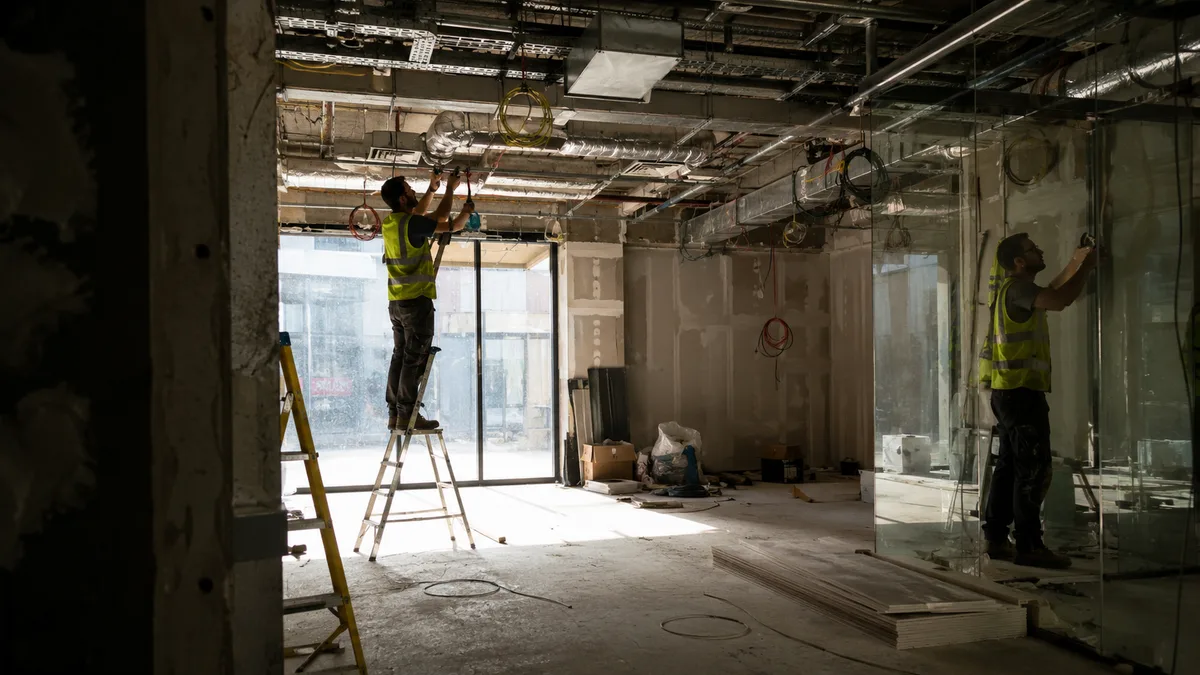
8. Negotiate a Clear Fit-Out Period
A retail shop may need work before opening.
The shell and core units will need flooring, ceiling, lighting, partitions, MEP works, AC works, fire safety works, signage, countertops, kitchen works and approvals from the municipality.
These shops will need a rent-free fit-out period prior to the signing of the lease agreement.
Ask:
- How many rent-free days are included?
- Does the fit-out period start from signing or actual handover?
- Can the tenant access the unit immediately?
- Are landlord NOCs available immediately?
- Who approves drawings?
- Is there a fit-out deposit?
- What happens if authority approvals take longer?
- What happens if building management delays access?
For ready retail shops, a shorter fit-out period will be required. For shell and core restaurants, cafes, salons, clinics, supermarkets or shisha cafes, the fit-out period is a major point of negotiation between the parties to the lease.
9. Check Which Authority Approvals Are Required
This is a common problem for many retail shop tenants.
There may be vacant shops available for lease. The landlord is likely ready to sign the rental agreement. The rent is likely acceptable. However, if the approvals are not obtainable, the tenant will lose valuable time, money and budget for fit-out works prior to opening day.
Approvals depend on:
- Business activity
- Building location
- Fit-out scope
- Jurisdiction
- Technical modifications required
A boutique will require fewer approvals as compared to a restaurant, cafe, salon, clinic, laundry, supermarket, bakery or shisha cafe.
A shop in mainland Dubai will have a different approval process compared to shops in JLT, Palm Jumeirah, JAFZA, Nakheel communities, Dubai South, Trakhees-regulated areas or master developer-controlled communities.
Before signing, ask:
- Which authority controls this building?
- Is landlord NOC required?
- Is building management approval required?
- Is Dubai Civil Defence approval required?
- Is Dubai Municipality approval required?
- Is Trakhees approval required?
- Is DDA approval required?
- Is DMCC or Concordia approval required?
- Is food layout approval required?
- Is signage approval required?
- Is DEWA load extension required?
- Who provides existing drawings and NOCs?
- Who pays approval, consultant and contractor submission fees?
10. Know the Common Retail Approvals in Dubai
The exact route will depend on the unit, but there are approvals that tenants should be aware of.
Landlord NOC
In most cases, the landlord will have to issue a No Objection Certificate (NOC) allowing the tenant to use the premises to carry out the fit-out, apply for the approvals needed for the fit-out, install the signage, and apply for DEWA or any other authority documents. In most cases, if the landlord does not issue the NOC, then the tenant will have a delay in the fit-out and the licence timeline.
Building Management Approval
Most commercial buildings will require the tenant to seek approval from the building management prior to the commencement of the fit-out. The building management will require the tenancy contract, Ejari, contractor details, consultant details, insurance documents, the drawings of the fit-out, a work schedule for the fit-out, the fit-out deposit and the NOC from the landlord. Without these, the tenant will not be allowed to enter the building and commence the fit-out works.
Dubai Civil Defence Approval
In many cases, the tenant will need to seek approval from the Civil Defence authorities for the fit-out. This will be necessary in the case of restaurants, cafes, bakeries, shisha cafes, salons, clinics, gyms, supermarkets and any unit that features kitchen works.
Dubai Municipality Approval
Dubai Municipality approval will be necessary in many cases where the type of activity to be held in the retail shop requires such approval. This will be necessary for retail shops that deal with food products. Such shops will include restaurants, cafes, bakeries, cloud kitchens, groceries, supermarkets and any other shop that is involved in food-related activities.
Trakhees Approval
In some areas of Dubai, the tenant will have to seek approval from the Trakhees authority for the fit-out, health and safety and other regulatory requirements for the retail shop. In the case of shops that will be established within these areas, the fit-out approval route will not be that of a normal shop on the mainland of Dubai.
DDA Approval
In the case of buildings that are under the jurisdiction of the Dubai Development Authority, the tenant will have to seek a fit-out permit prior to the commencement of the fit-out. The documents that will be required will include the Ejari agreement, the NOC from the building owner, any NOCs from the authorities that will be issuing the approvals and the approved drawings for the shop fit-out.
JLT, DMCC, Concordia and Fire Safety Approvals
If the shop that is to be established is within Jumeirah Lake Towers (JLT), then extra care must be taken in obtaining the fit-out approvals. You can see the kind of commercial space we handle there on our commercial property in JLT and offices for rent in JLT pages.
In JLT, approvals may involve building management permission, a DMCC-related NOC where applicable, Concordia fit-out approval, a fire safety review, a building-appointed fire safety contractor, a FireSecure or another appointed fire safety provider where applicable, and a final inspection or completion clearance.
It is up to the tenant to ensure that the fit-out is allowed by the building approval authorities. The tenant should not sign the fit-out agreement based solely upon the fact that retail activity is allowed within the building.
11. For F&B, Check Food Layout and Technical Requirements Early
If you are opening a restaurant, cafe, bakery, cafeteria, juice shop, cloud kitchen, grocery, supermarket, butcher, sweet shop or any food-related business, you need to be extra careful.
Food related businesses have more technical and authority requirements than normal retail businesses.
Check:
- Is food activity allowed?
- Is cooking allowed or only serving or packaged food?
- Is there enough drainage?
- Is there a grease trap?
- Is gas allowed?
- Is exhaust ducting possible?
- Is there a route for kitchen exhaust?
- Is there space for food storage?
- Is there space for handwash and cleaning areas?
- Can Dubai Municipality layout requirements be met?
- Are fire safety systems suitable for kitchen use?
While some shops may be advertised as suitable for food and beverage (F&B) businesses, it is still necessary to confirm that they are technically suitable for F&B use. For instance, a shop may be suitable for a cafe with minimal cooking requirements but not be technically suitable for the installation of a full restaurant or bakery in that location.

12. Check DEWA Load Before Renting the Shop
For retail businesses, it is also necessary to confirm if the shop has DEWA (Dubai Electricity and Water Authority) load.
Some shops may have limited power load approved for those shops.
For instance, the shop may have an approved DEWA load of 21 kW but the tenant desires to open a restaurant, bakery, supermarket, salon, laundry services or other retail business with heavy equipment.
Restaurants require high levels of power to operate their kitchen and appliances. A restaurant may require a load of 40 kW, 50 kW or more for their operation.
If the DEWA load approved for the shop is 21 kW and the restaurant requires 50 kW, then the tenant will require additional 29 kW of power for their restaurant.
According to the published approach by DEWA for connection of slabs to electrical grids, the first slab can be connected for AED 250 per kW of electrical load for loads up to 170 kW. Therefore, an additional 29 kW will cost the tenant an estimated AED 7,250 for connection of their DEWA grid.
If the tenant requires a load of 80 kW, the additional load will be 59 kW (80 - 21 kW). At the rate of AED 250 per kW, the cost will be AED 14,750 for connection of the slab to the DEWA grid.
However, these estimates are only for the cost of connection to the DEWA grid. The tenant may also have other costs for electrical drawings, electrical contractor labour, electrical panel upgrades, electrical cable installation costs and various other building and management authority requirements.
Before signing, ask:
- What is the approved DEWA load?
- Is the meter active or disconnected?
- Is the unit on a small or large meter?
- Can the load be increased?
- Is landlord NOC required?
- Is building management approval required?
- Will electrical panels or cables need modification?
- Who pays for the load increase?
- How long can the extension take?
13. Check AC, Water, Drainage, Gas and Exhaust
Every business will have different technical requirements.
For instance, a boutique may only require lighting and air conditioning. A salon may require water points and drainage for their operations. A bakery may require high electrical load, exhaust and gas permissions. A restaurant may require drainage, grease trap, kitchen exhaust and fire systems. A mini-mart may only require refrigeration load and storage requirements for their goods.
Before signing, check:
- Existing water connection
- Drainage points
- AC type and capacity
- Chiller or separate AC
- Gas connection or permission
- Exhaust route
- Ceiling height
- Floor loading
- Internet availability
- Waste disposal area
- Delivery access
- Storage space
Therefore, it is essential to consider the technical requirements of each shop prior to leasing the building. Two retail shops of the same size may have vastly different technical requirements.
14. Study Visibility, Parking and Customer Access
Retail is about customers.
A beautiful shop in the wrong location can struggle. A simple shop in the right location for people to use daily can flourish.
When checking the location, study the customer journey through the shop.
Ask:
- Is the shop visible from the road?
- Is it easy to find?
- Is it on the ground floor?
- Is there natural walking traffic?
- Are there nearby residential towers?
- Are there offices, schools, hotels or gyms nearby?
- Is the frontage wide enough?
- Is the glass frontage visible?
- Are competitors nearby?
- Is competition helping footfall or hurting pricing?
Check the operations of the shop. Consider the parking of customers, paid or free parking, delivery bike access, access to loading and unloading areas for goods, a waste disposal room for shops like F&B spots, delivery timing restrictions, staff parking, and taxi or ride-hailing pickup points.
For shops like F&B and grocery stores, delivery and waste disposal can be a point of daily concern. For clinics, salons, and retail stores of high value, customer parking can impact the number of customers who come to the shop.
15. Confirm Signage, Outdoor Seating and Renewal Terms
Signage for the shop can make or break a retail shop.
Before renting, check the signage that is allowed in the store.
Ask:
- Can I install external signage?
- Where can the signboard be placed?
- What size is allowed?
- Is illuminated signage allowed?
- Who approves the design?
- Are there building branding guidelines?
- Are window stickers allowed?
- Are A-boards or standees allowed?
- Are there fees for signage approval?
- Can signage face the main road?
For cafes, restaurants, and shisha cafes, outdoor seating can be important. Find out whether outdoor seating is allowed in the shop. Is the outdoor area included in the retail lease? Is there the requirement for separate approval for outdoor areas? Is there a cost for outdoor seating? Are there rules for outdoor furniture, umbrellas, outdoor branding, or smoking areas? Who controls the outdoor area of the retail shop?
Retail is not a short-term business. The shop may have invested heavily in fitting out the shop, retail branding, and launch marketing. Study the terms of the retail lease to ensure the tenant can expect the shop to last for the business cycle of the tenant.
Retail leases may detail the duration of the tenant in the shop, any clauses regarding the re-lease of the shop to another business by the tenant, rent increase clauses, early termination of the lease, reinstatement of the tenant to the shop should the retail business owner vacate the premises, change of retail activity in the shop, the rules regarding subleasing part of the shop to another business, and whether the shop owner can refuse to renew the lease to the tenant who vacated the shop.
Real Case Studies: Why Approval Checks Matter
A retail shop can look perfect for the viewing, but the decision to occupy the shop will not be based on size, location and rent. The approval of the business activity has to be considered.
Case Study 1: The Shisha Cafe That Needed the Right Building
One of our clients wanted to open a shisha cafe in a premium location in Dubai.
They wanted the shop to be in locations like Dubai Marina, JBR or Palm Jumeirah and required around 2,500 sq ft of internal retail space and around 700 sq ft of outdoor seating space.
At the outset, this sounded good. They wanted a retail shop in a high footfall area with outdoor seating and sufficient size for their concept.
The problem is that shisha cafes are not approved like normal restaurants or cafes.
For a new shisha cafe operator, three major requirements must be checked before committing to any retail unit:
- The unit should not be near a school or nursery.
- The unit should not be near a mosque or place of worship.
- The unit should be in a commercial building, commercial hub or suitable commercial area, not below a purely residential building.
This is where many business owners get confused.
They see shisha cafes operating in areas and think that it should be possible to also open one in a similar unit.
However, there is no guarantee that a unit will be approved for a shisha cafe activity when leasing, even if existing shisha cafes exist in those same developments.
For this client, the challenge was finding a suitable location in a luxury residential tower, which could be approved for a shisha cafe concept prior to deposit and tenancy contracts being signed.
While most retail shops below residential towers can be approved for different types of cafes, salons or mini-marts, they are not always approved for shisha activities.
Case Study 2: The Restaurant and Cafe With a Mezzanine Issue
Another client wanted to open a restaurant and cafe in the Jumeirah Village Circle area.
The retail shop that they selected was approximately 1,700 sq ft in size and the client loved the location. They wanted to use the ground floor for their restaurant and cafe but wanted to use a small mezzanine level for storage and an office.
From a business point of view, this made sense as they need storage, staff and office space.
However, a mezzanine has structural, safety and approval implications for the company owning the retail shop in Dubai.
While this worked well for their restaurant and cafe concept, the mezzanine level was not approved by the authorities as part of the approval process due to safety concerns in the building.
This changed their business plan.
Had they signed the lease and paid the deposit for the shop without properly checking whether such an area could be approved by the authorities, they would have had to start the construction and design process of the mezzanine level. When the authorities indicated that it could not be built, the business would have been affected.
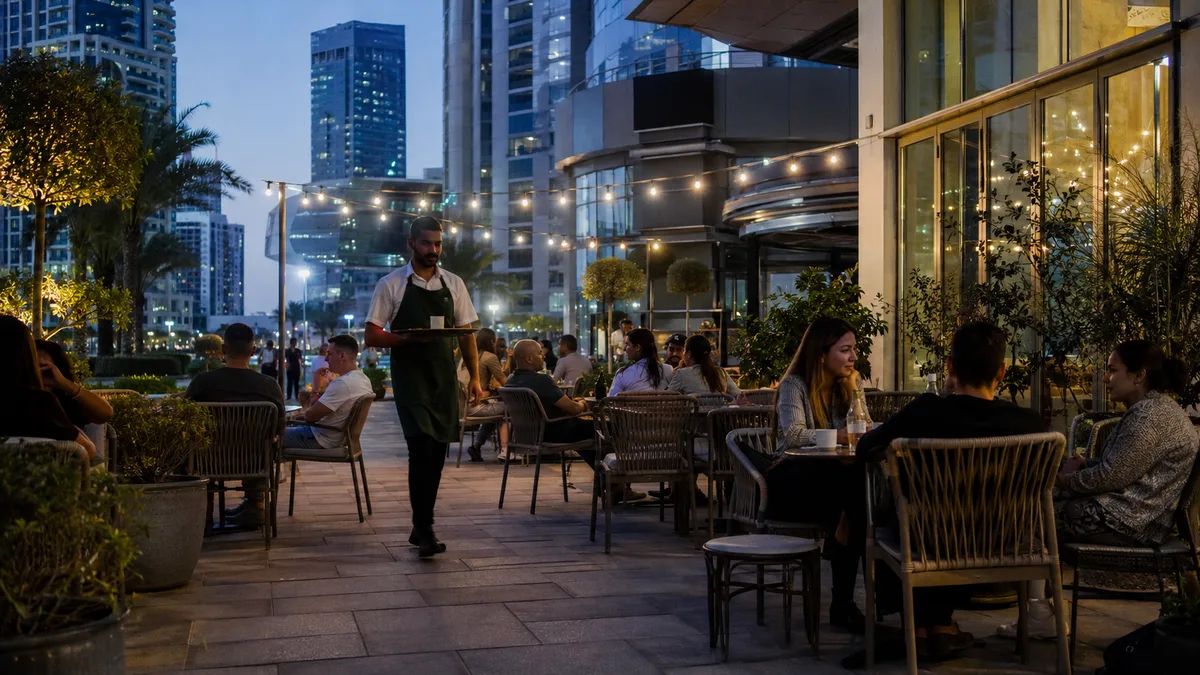
Common Mistakes Tenants Make
The most common mistakes are:
- Paying the deposit too early
- Assuming every retail unit can be used for F&B
- Assuming every cafe can be used for shisha
- Not checking DEWA load
- Not checking Civil Defence requirements
- Not checking building management rules
- Not negotiating enough fit-out period
- Not checking signage rights
- Forgetting VAT and hidden costs
- Not reviewing renewal terms
The cheapest retail shop unit in the mall may become very expensive to operate in terms of the approvals required to run a business there that the tenant cannot achieve.
What Documents Should You Ask For?
Before signing, ask for:
- Title deed or ownership proof
- Landlord Emirates ID or passport copy
- Trade licence if landlord is a company
- Power of Attorney, if applicable
- Broker details and company licence
- Tenancy contract draft
- Building management fit-out guidelines
- Landlord NOC format
- Previous approval details, if available
- Unit floor plan
- DEWA premise details, if available
- Existing MEP drawings, if available
- Signage rules
- Community or mall operating rules
For retail shops involved in food and regulated activities, there may be a requirement for the tenant to obtain permits for exhaust, drainage systems, grease traps, gas for kitchens, Civil Defence status for fire safety, specific approval for the layout of the food retail shop, rules for the disposal of food waste at the shop, rules for the outdoor seating area in the shop, and rules for outdoor smoking or shisha smoke at the retail shop.
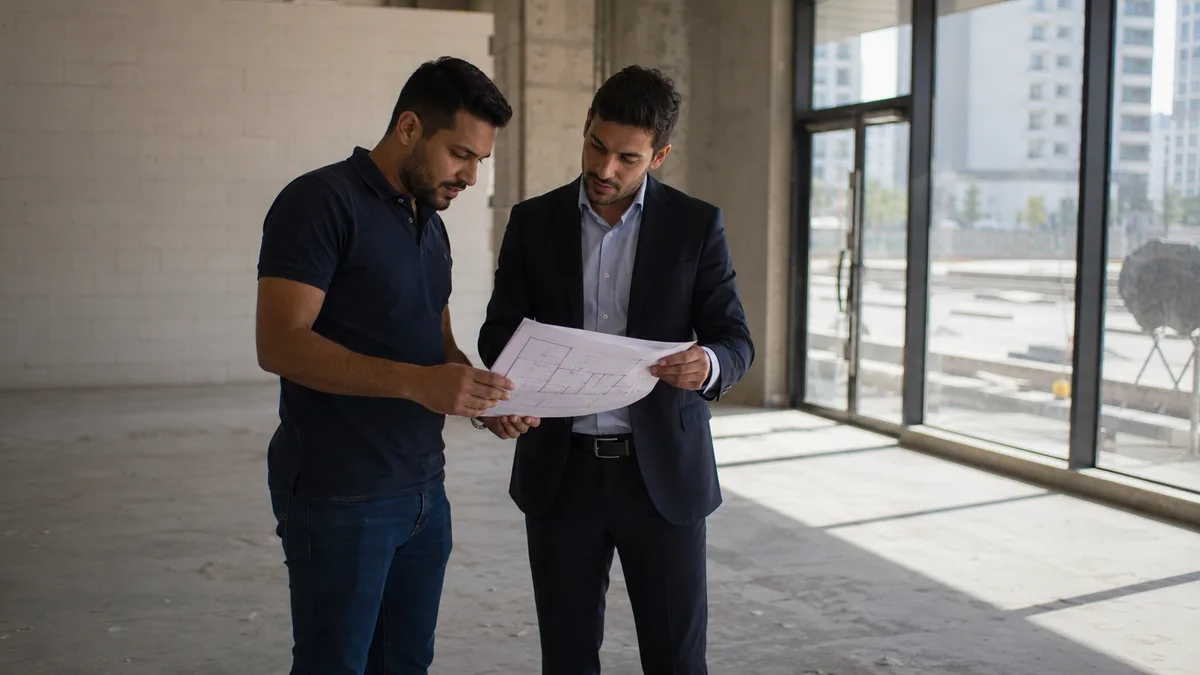
Why Working With an Experienced Commercial Agent Matters
When you rent a retail shop in Dubai, the agent's role extends beyond renting the shop.
The agent should help you to understand what needs to be checked out of the shop before you sign the lease. For example, the activity the shop will undertake, the landlord and their documents, building management, Civil Defence, Dubai Municipality, Trakhees, Concordia, DDA, DMCC, DEWA load, signage and VAT.
Each of the areas in Dubai may have different rules and approvals for the various types of retail activities. A shop in JLT might have a different approval for a shop in JVC, Dubai Marina, Palm Jumeirah, Business Bay or Al Barsha. Similarly, a cafe in one area might have different requirements than, say, a salon or a mini-mart.
At Al Ranim Properties, we look beyond the retail shop listing to ensure that the retail shop you rent meets your business needs. If you already have a unit in mind, you can share the details with our team before you commit.
You are not just renting a retail shop in Dubai but also a retail unit that can accommodate your business activity.
FAQ
Frequently asked questions
Often, the tenancy contract or Ejari will be part of the business licensing process. Before signing the tenancy contract, it is important to confirm that the business can be licensed at that location.
Yes, all commercial tenancy contracts should be registered through Ejari to record the tenancy and to comply with licensing and utility requirements.
Commercial property leases are subject to a 5% VAT rate if the landlord is subject to VAT. The tenant should confirm whether the rent quoted is inclusive or exclusive of VAT.
The tenant will pay VAT to the landlord when paying for the commercial lease. The landlord will use this to pay taxes to the Federal Tax Authority. The tenant should ask for the landlord's TRN and receive a proper tax invoice.
No. F&B businesses need specific infrastructure to accommodate their food business. Approvals are required for drainage systems, exhaust systems, grease traps to be installed and approved according to Dubai Municipality standards and fire safety regulations as approved by the building management company.
No. In addition to the regulations for shisha businesses, there are additional requirements for shisha to be licensed. The business tenant will need to ensure that the building is of an appropriate type, is of an appropriate distance from schools and mosques, and has an approval for smoking in the building and outdoor seating areas. Additionally, approvals are needed from Dubai Municipality, Civil Defence and building management for the shisha business.
Confirm that the DEWA load approved for the building is sufficient for the business requirements. Confirm that the DEWA load can be increased, who will finance the increase in load and whether there are any requirements to upgrade the electrical panel or cables in the building.
Depending on the nature and location of the business, there may be approvals needed from the landlord, building management, Dubai Municipality, Dubai Civil Defence, Trakhees, DDA, DMCC, Concordia and other authorities relevant to the type of business that will operate in the building.
For retail units within JLT, the tenant will need to confirm approval from the building management company, a DMCC-related NOC, Concordia fit-out approvals, fire safety approvals and requirements for an appointed fire safety contractor and the completion of the building.
The biggest mistake that prospective tenants make when leasing a retail unit within a commercial complex is to focus only on the rent and location of the unit. Other factors that must be considered include the approval for the type of activity to occur in the unit, whether the unit can be outfitted for the business, any approvals from authorities, the DEWA load and the total cost of establishing the business in the unit.
Final Advice Before Signing
The best retail unit for your business is not always the cheapest.
The best retail unit is the one that allows your business to function legally, technically and efficiently.
Before you rent a retail shop in Dubai, ensure that you check all aspects relating to the shop such as activity approval, Ejari, landlord and tenancy authority, VAT, fit-out and building approval, Civil Defence, Dubai Municipality, Trakhees, DDA, DMCC, Concordia, DEWA load, drainage, exhaust, gas, air conditioning (AC), signage, parking and shop renewal and exit terms.
A good commercial rental agreement protects the landlord and the tenant. The landlord gets a serious business while the tenant gets the space to build and operate their business effectively in Dubai.
If anything is unclear before the tenant signs the tenancy agreement, it is better to ask them. Once the tenant has paid the shop deposit and signed the tenancy agreement, it is very difficult to renegotiate the agreement. If you would like a second opinion on a unit, you can speak to the Al Ranim Properties team before you commit.
Free download
Download the Retail Shop Due Diligence Checklist
Before you pay a deposit or sign a retail lease, use our checklist to verify activity approval, Ejari, VAT, DEWA load, fit-out, authority approvals, signage, parking and hidden costs.
Work with Al Ranim Properties
Found this useful? Talk to a consultant about your own situation.