Legal & Process
Title Deed in Dubai: How to Verify It, Find the Number and Read It (2026)
By Dhananjay Arora · CEO & Founder, Al Ranim Properties
Published 7 October 2026 · 11 min read

When purchasing property in Dubai the title deed is one of the most important documents you will acquire. The title deed shows you are the owner of the property and many subsequent transactions are conditional on the presence of a title deed (such as a mortgage, letting or a sale).
Key takeaways
- A title deed in Dubai is a document that shows the ownership of property.
- The Dubai Land Department issues title deeds from its Property Register.
- The DLD website and the Dubai REST app allow title deeds to be verified within seconds using a title deed number along with the year and property type.
- The number is located below the QR code as number and year.
- Off plan buyers hold an Oqood registration and receive a title deed upon project completion and payment in full for the unit.
- A new electronic title deed is given upon registration of a transfer to the new owner.
When purchasing property in Dubai the title deed is one of the most important documents you will acquire. The title deed shows you are the owner of the property and many subsequent transactions are conditional on the presence of a title deed (such as a mortgage, letting or a sale). However many property owners only examine their title once a problem occurs and many buyers will hand over a deposit cheque without ensuring the seller holds a genuine title deed. This guide will cover the following regarding a Dubai title deed: what a Dubai title deed is, how to check a title deed online, how to locate the title deed number, what each section means on a title deed and the differences between a title deed and Oqood. Furthermore this guide will also cover at what stage a title deed is received for the three most common property purchase routes.
What Is a Title Deed in Dubai?
In Dubai, a certificate that proves ownership of property is known as a title deed or Certificate of Title by the Dubai Land Department.
- Where it comes from: A title deed is issued by the DLD from the information contained in the Property Register.
- Legal weight: Under Law No. 7 of 2006 a title deed is full evidence of ownership and therefore acts as the final indicator of ownership.
- Where it is issued: Title deeds can be obtained from the Dubai Land Department or from one of the Real Estate Registration Trustee centres.
- Foreign owners: Non-UAE persons can own freehold interest only in areas designated by the Ruler. A non-UAE person who owns property in one of these freehold areas will be issued a freehold title deed.

Oqood in Dubai vs Title Deed: What Is the Difference?
Oqood is the first registration for an off-plan purchase.
- 90 days: For off-plan purchases, the developer will register the sale via the DLD Oqood system within 90 days of the signing of the sale and purchase agreement.
- Not yet a deed: A provisional registration is issued to the buyer rather than a title deed. The property remains in the Interim Property Register until construction is completed.
- The switch: Upon project completion, when the project is awarded the completion certificate and the buyer has paid in full for their unit, the property will be transferred to the Real Estate Registry. At this point, DLD will issue a title deed to the buyer.
- Until then: Until then, Oqood serves as registration of a buyer’s purchase of a property.
| Oqood | Title deed | |
|---|---|---|
| Applies to | Off-plan units under construction | Completed property |
| Registered by | The developer, within 90 days of the sale and purchase agreement | The Dubai Land Department |
| Register | Interim Property Register | Real Estate Registry |
| When it changes | Becomes a title deed after completion and full payment | Reissued to the new owner on every registered sale |
DLD Title Deed Verification: How to Verify a Title Deed in Dubai
When buying a resale property ensure the title deed is verified before making a deposit.
- Who can use it: The Dubai Land Department offers a title verification service (Verify Title Deed) to the general public.
- Where: The service can be accessed via the Dubai REST app and also on the DLD website. The service provides instant results and can be carried out in two ways.
- Validate Property: Validate Property will confirm that a title exists and is valid.
- Validate Owner and Property: Validate Owner and Property will also check the owner information on the title. This is more relevant for a private transaction where an individual may claim to be the owner of the property.
- Title deed check result: If the verification is successful then the title has been authenticated via blockchain.
- Open the Verify Title Deed service on the DLD website or in the Dubai REST app.
- Choose Validate Property, or Validate Owner and Property.
- Enter the Title Deed No, the Title Deed Year and the property type (land, unit or villa).
- For Validate Owner and Property, also enter the owner's name.
- Read the result on screen.
Al Ranim Properties Note: Please run a Validate Owner and Property check before any deposit is given, even if a copy of the title has been provided by an agent during a viewing. A snapshot or PDF of a title is of limited use as a snapshot can be manipulated by any user. Live checking against the DLD database is under a minute and will confirm the seller as the owner.
Where to Find the Title Deed Number in Dubai
The title deed number is displayed under the QR code within the title deed as number/year (for example 0123456/2022).
- Two fields: Both number and year are requested during the verification process as Title Deed No and Title Deed Year respectively.
- Not the Property No: There is also a Property No which refers to the property unit and is not the same as the title deed number.
- In the app: The number can also be obtained from within the Dubai REST app by logging in, selecting your property and then opening the Electronic Title Deed.
Title Deed Dubai Sample: How to Read Each Field
A Dubai title deed usually fits onto one page with a lot of information filled into each box. An example of the current format can be seen in the Dubai Land Department sample title deed. When you receive your title deed, read it from top to bottom and ensure that the names, the unit and the areas correspond to your sales contract.
| Field on the deed | What to check |
|---|---|
| Issue Date | The date this certificate was issued |
| Mortgage Status | Whether the property is mortgaged |
| Property Type | Land, unit or villa |
| Community, Plot No, Municipality No | Where the property sits |
| Building No, Building Name, Property No, Floor No | The exact unit |
| Parkings | Parking spaces registered with the unit |
| Suite, Balcony, Common Area, Area (sq m / sq ft) | The registered areas |
| Owners and shares | Every owner's name and share |
| Purchase details | The registered purchase |
| Title deed certificate number (number/year under the QR code) | The number you use to verify the deed |
The Electronic Title Deed in Dubai
Dubai has implemented an electronic title deed system.
- By email: When a transaction is registered, the new title deed is made available to the buyer via email as a link to an electronic title deed. Owners can access the title at any time through the Dubai REST app.
- No stamp: These electronic titles include a QR code and state that no stamp or signature is required.
- Blockchain: The information contained within the title is secured through blockchain technology. Any alteration to the title renders the title invalid and an altered title is not recognised.
- Tokenisation: In March 2025, DLD also started a pilot project to tokenise real estate title deeds. DLD is the first real estate registry in the Middle East to do so.

How to Get a Title Deed in Dubai: Three Buying Journeys
The point at which you receive a title deed also varies between transactions. The three transactions described below correspond to the vast majority of transactions we come across. These include purchasing off plan from the developer, purchasing off plan from the first purchaser and purchasing an existing property on the secondary market.
1. Buying off-plan from the developer
An off plan purchase is initiated by a sale and purchase agreement with the developer. The developer will submit the sale to DLD via Oqood within 90 days of the sale and purchase agreement. The buyer then pays in instalments as the building is constructed. Upon completion of the building and payment in full for the buyer’s unit, the unit will be transferred from the interim register to the Real Estate Registry. DLD will then issue the title deed to the buyer.


1. Sale and Purchase AgreementThe customer enters into a sale and purchase agreement with the developer.

2. Off-plan sale is registeredThe developer then registers this transaction with DLD via Oqood within 90 days of the agreement.
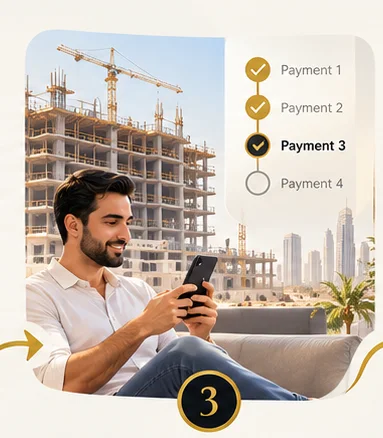
3. Instalments are paidDuring construction the customer then makes payment via the payment plan for the instalments.

4. Completion and final paymentOnce the construction is completed the remaining balance is paid by the customer.
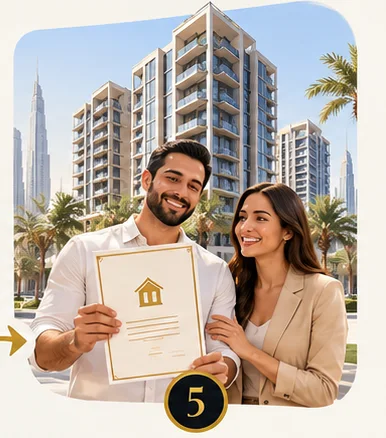
5. Title deed issuedAt this point the property will then be registered with the Real Estate Registry and a title deed is issued by DLD.

2. Off-plan resale: buying from the first buyer
Off plan property can be transferred prior to completion. Units that are in the interim register can be mortgaged or sold under Dubai law. The seller must obtain a no objection letter from the developer prior to transfer. From our experience, developers tend to only issue a no objection letter after a specific portion of the purchase price has been paid. Once a no objection certificate has been obtained, the transaction can be registered and the Oqood registration transferred to the buyer. The buyer then assumes responsibility for the remaining payments. The title deed will not be issued until completion and payment in full by the buyer, similar to the original purchaser.


1. Developer NOCThe initial purchaser will first obtain a no objection certificate from the developer.

2. Resale is registeredThe resale will then be registered with the Dubai Land Department.
3. Oqood moves to the buyerThe Oqood registration will then be transferred to the new purchaser.
4. Remaining instalmentsThe remaining instalments from the payment plan will be taken over by the new purchaser.
5. Title deed issuedOnce construction has been completed and all monies have been paid in full, the title deed will be issued.

3. Buying a ready property on the secondary market
A ready property on the secondary market can provide the shortest path to a title deed. After a sale has been agreed the seller obtains an electronic no objection certificate from the developer via Dubai REST. If the property is mortgaged then a liability letter is issued by the seller’s bank and the mortgage is settled via manager’s cheques. The transaction is registered at one of the Real Estate Registration Trustee centres and transfer fees are paid. A new electronic title deed is received by the buyer within approximately 25 minutes.


1. Price agreedA sale price is agreed between the seller and the purchaser for the ready property.
2. Developer NOCThe seller will then request an electronic NOC from the developer via Dubai REST.

3. Mortgage cleared (if any)If a mortgage exists then the seller's mortgage will be cleared via a manager's cheque.

4. Transfer registeredRegistration then takes place at a trustee centre and fees are paid.

5. New title deedThe new electronic title deed is then received by the purchaser within approximately 25 minutes.

Selling? Get Your Title Deed in Order First
Selling a property starts with the title deed.
- Buyers will check: The title deed number and year will be requested by buyers and their representatives in order to verify the title themselves.
- Details must match: All information on the title must match that provided on your passport or Emirates ID exactly. Any errors (such as spelling mistakes, a changed nationality or an old passport number) must be corrected prior to listing via the Title Deed Modification service.
- Mortgaged property: A property under mortgage may be sold but the transaction only finalises once the mortgage holder provides a mortgage release letter.
Title Deed Fees in Dubai (2026)
Below are the charges for the purchase and sale of property in Dubai for 2026. On the DLD sale registration page the transfer charge is split 2% buyer and 2% seller, but in the current market the full 4% is charged to the buyer. Similarly the charge for the title deed is listed as AED 250 on the DLD website, however currently the title deed charge to the buyer is AED 580. We list the current charges as these are the charges you will pay on the transaction.
| Service | Fee (current market) |
|---|---|
| Title deed | AED 580, paid by the buyer |
| Title Deed Modification | AED 250, plus AED 10 knowledge fee and AED 10 innovation fee |
| DLD transfer fee on a sale | 4% of the price, paid by the buyer |
| Trustee centre fee | AED 4,000 plus VAT (price AED 500,000 and above) or AED 2,000 plus VAT (below) |
| Mortgage registration | 0.25% of the loan |
| Oqood registration (off-plan sale) | 4% of the price paid by the buyer, plus AED 10 + AED 10 and a AED 1,000 developer fee |
Common Title Deed Mistakes to Avoid
Most frequent errors are fairly basic.
- Trusting a photo: A buyer relying on a snapshot of the deed rather than verifying the actual deed.
- Old details: An owner leaving an incorrect name or an old passport on the deeds only to discover it later when a sale breaks down.
- Oqood is not a deed: A buyer of an off-plan apartment using their Oqood as a title and assuming the apartment is fit to sell or remortgage.
- Forgetting the bank: A seller failing to realise that if the property is under mortgage the release letter from the mortgagee is required prior to transfer.
All these can cause days or weeks of delay but can all be prevented by looking at the deeds at an early stage.
Final thoughts
A title deed is the legal proof of ownership of your property. It is important to be aware of a title deed prior to purchase, post purchase and pre sale. Ensure any title you are transacting upon is checked, ensure your information remains up to date and know which buying route you are on so you know when you will receive your title deed. If you are looking to rent or sell your property we can ensure all necessary documents are in place and can provide a free valuation using recent transactions in Dubai.
FAQ
Frequently asked questions
This document certifies the ownership of real estate and is also known as a Certificate of Title. It is issued from the Property Register of the Dubai Land Department and under Dubai law is the final representation of the owner of the property rights.
To use the Verify Title Deed service available via the Dubai REST mobile app or via the DLD website enter the number of the title deed followed by the property type and year. If you would also like to check the name of the owner then select Validate Owner and Property. The information will be displayed instantly.
The number followed by the year is displayed under the QR code. For example 0123456/2022. The verification tool requires the number and year to be entered separately.
An Oqood is the initial registration of an off plan unit made by the developer during the construction of the project. Once the unit is paid in full and the project is completed, the unit moves to the Real Estate Registry and the title deed is issued.
During a property transfer the charge for the title deed is AED 580. The main charge incurred is the transfer charge from DLD at 4% which is currently charged to the buyer, in addition there is the charge from the trustee centre.
Yes. The DLD now issues electronic title deeds. Upon transfer of property the new owner will receive a link via email. Owners can also view their electronic title deed via the Dubai REST app. The title deed includes a QR code and the information contained within the deed is also held on the blockchain.
Yes. Under Dubai law interim registered units can be sold prior to handover. A no objection certificate must be obtained from the developer and the buyer will take over any further payments along with the Oqood registration for the unit.
Upon registration of the transfer at a trustee centre and payment of any associated fees the DLD sale registration service will issue the new owner’s electronic title deed within approximately 25 minutes.
Work with Al Ranim Properties
Found this useful? Talk to a consultant about your own situation.